April 21, 2026
Vehicle rims endure constant stress from everyday driving conditions. Potholes, uneven pavement, curbs, and road debris can all cause damage over time. Even minor impacts can lead to bends or warping that affect how your vehicle performs. Seasonal changes also play a role, as temperature fluctuations can weaken metal and make rims more susceptible to damage. In many cases, drivers may not even realize when the damage occurs. A sudden jolt or repeated exposure to rough roads can gradually compromise the structure of the wheel. This is why addressing issues early with rim straightening is so important. Taking action quickly helps prevent more serious complications and keeps your vehicle running smoothly.
Recognizing the Warning Signs of Rim Issues
Rim damage is not always obvious at first glance, but there are several signs that can indicate a problem. One of the most noticeable symptoms is vibration while driving, especially at higher speeds. This often suggests that the wheel is no longer properly balanced. Other indicators include uneven tire wear, decreased fuel efficiency, and difficulty maintaining tire pressure. In some cases, you may hear unusual noises such as thumping or clicking, coming from the affected wheel. These warning signs should not be ignored, as they can worsen over time. By identifying these issues early and seeking rim straightening, drivers can restore their vehicle’s performance and avoid more costly repairs down the line.
Evaluating the Extent of Wheel Damage
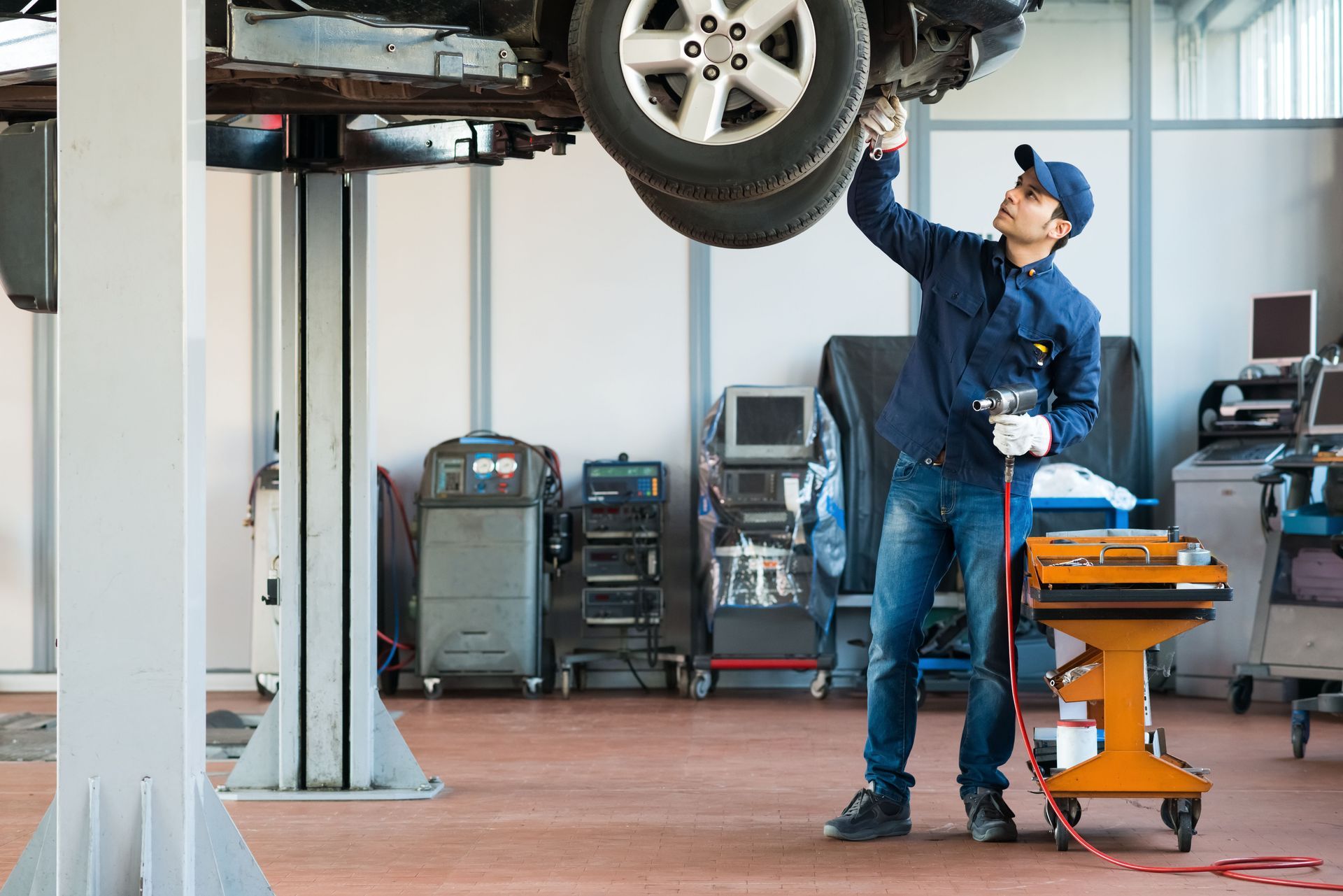
Before any repair begins, a detailed inspection is necessary to determine the severity of the damage. Technicians examine the rim for bends, cracks, and structural weaknesses. This assessment helps determine whether the wheel can be repaired or if replacement is a safer option. Advanced tools are often used to measure deviations in the wheel’s shape and alignment. Even small imperfections can have a significant impact on performance, so accuracy is key during this stage. Professionals take the time to ensure that all issues are identified before moving forward. This evaluation process is essential for ensuring that rim straightening is both safe and effective.
Preparing the Wheel for Repair
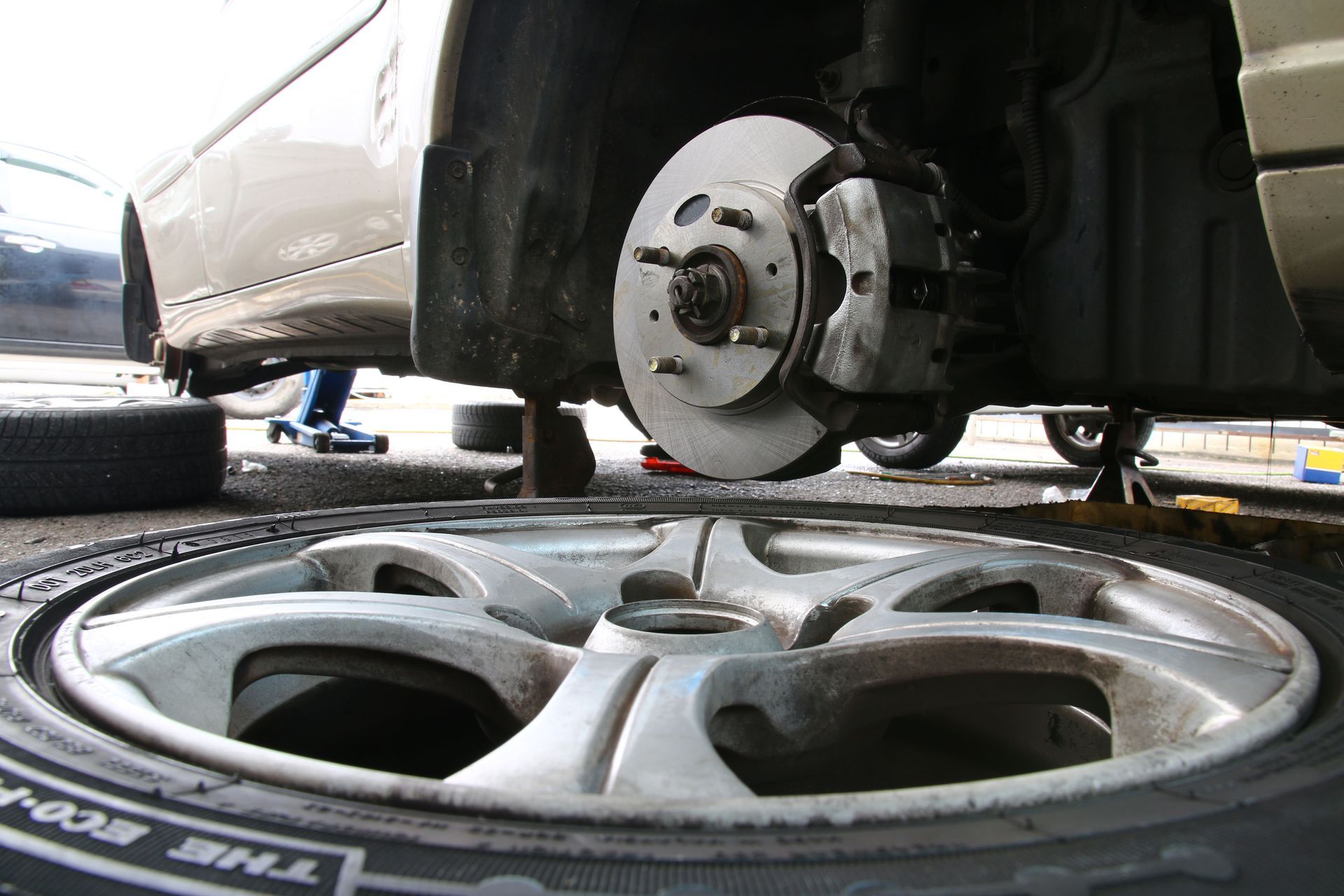
Once the damage has been assessed, the next step involves preparing the wheel for repair. This includes removing the tire from the rim and thoroughly cleaning the surface. Any dirt, grease, or debris must be eliminated to ensure accurate repairs. Technicians may also mark the damaged areas to guide the repair process. Proper preparation ensures that the work can be carried out with precision and that the final result meets quality standards. By taking the time to prepare the wheel correctly, professionals set the stage for successful rim straightening and long-lasting results.
Applying Heat and Pressure to Restore Shape
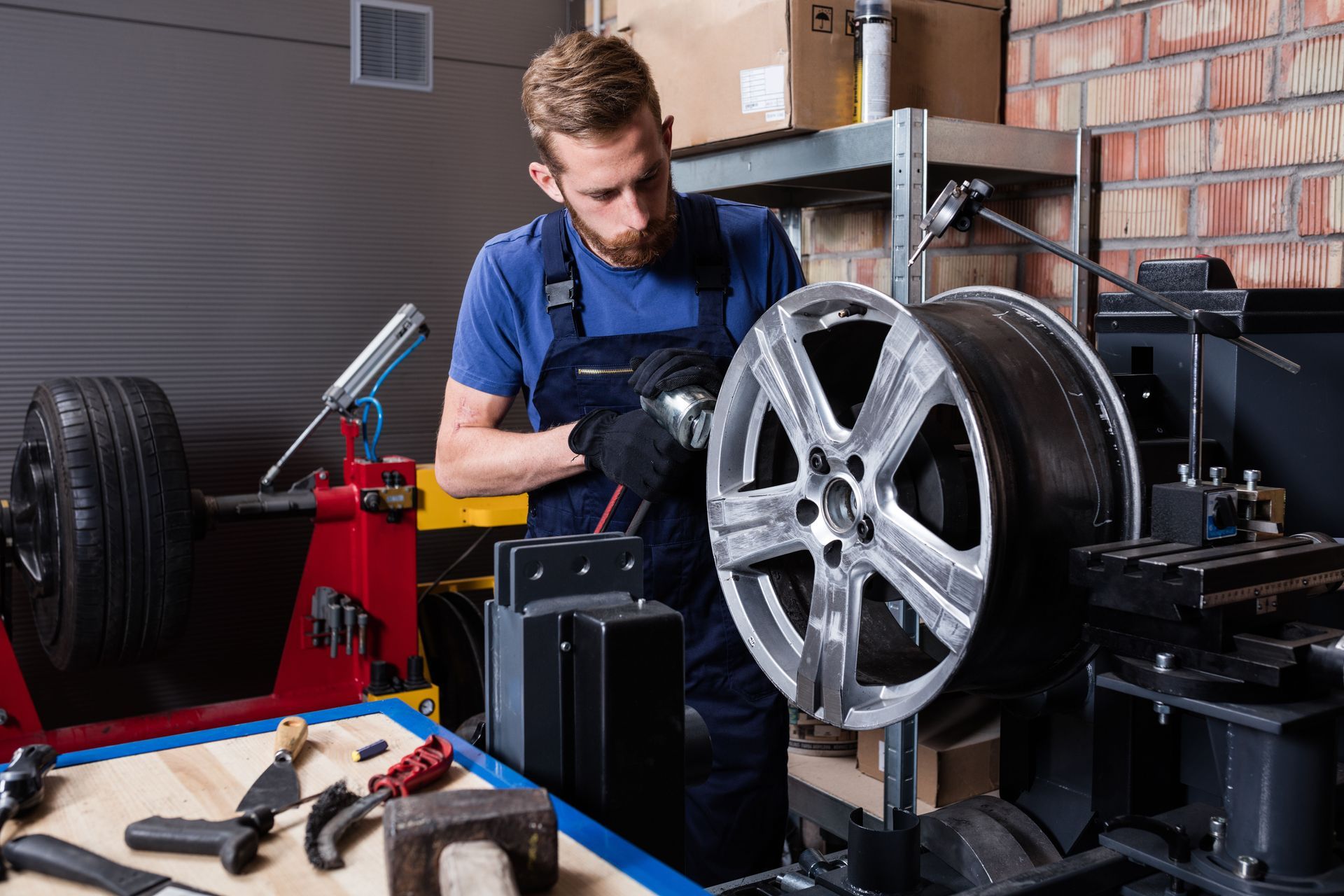
The core of the repair process involves reshaping the damaged rim. This is typically done by applying controlled heat and pressure to the affected area. Heat makes the metal more pliable, allowing technicians to carefully manipulate it back into its original form. Specialized equipment is used to ensure that the pressure is applied evenly and accurately. This helps prevent further damage and ensures that the wheel maintains its structural integrity. The goal is to restore the rim to its proper shape without compromising its strength. Rim straightening requires both skill and precision, as improper techniques can lead to additional issues. Professional expertise is essential for achieving reliable results.
Testing the Wheel for Accuracy and Balance
After the repair is complete, the wheel must be tested to ensure it meets performance standards. This involves checking for proper alignment and balance, as even minor imperfections can affect how the vehicle handles. Technicians use specialized machines to spin the wheel and detect any remaining irregularities. If necessary, additional adjustments are made to achieve a smooth and even rotation. This testing phase is a critical part of the rim straightening process, as it ensures that the repaired wheel performs as intended on the road.
Reinstalling the Tire and Finalizing the Repair
Once the wheel has been restored and tested, the tire is reinstalled. Proper mounting and inflation are essential for ensuring optimal performance and safety. Technicians also check the valve stem and other components to ensure everything is functioning correctly. After reinstallation, the wheel is placed back on the vehicle and secured according to manufacturer specifications. A final inspection is often conducted to confirm that the repair has been completed successfully. This step completes the rim straightening process and prepares the vehicle for safe and reliable use.
Understanding the Impact of Road Conditions
Road conditions play a significant role in rim damage. Drivers in areas with harsh winters face additional challenges due to the use of salt and chemicals on roadways. These substances can accelerate corrosion and weaken metal components over time. According to News Room, over the past five years, about 15% of drivers in U.S. regions with winter climates have needed vehicle repairs at least once due to rust caused by road salt and de-icing chemicals. This highlights how environmental factors contribute to the need for maintenance and repairs. By staying aware of these conditions and addressing damage promptly with rim straightening, drivers can protect their wheels and extend their lifespan.
Preventing Future Rim Damage
While not all damage can be avoided, there are steps drivers can take to reduce the risk. Being mindful of road conditions, avoiding potholes when possible, and maintaining proper tire pressure can all help protect your rims. Regular inspections are also important. Catching small issues early can prevent them from developing into more serious problems. Cleaning your wheels regularly can help remove corrosive substances and preserve their condition. Taking a proactive approach can minimize the need for frequent rim straightening and keep your vehicle in better overall shape.
Comparing Repair Versus Replacement Options
When a rim is damaged, drivers often face the decision between repair and replacement. In many cases, repairing the rim is more cost-effective and environmentally friendly. However, severe damage may require a full replacement to ensure safety. A professional assessment can help determine the best course of action. Technicians consider factors such as the extent of the damage, the type of rim, and the overall condition of the wheel. Rim straightening is often a practical solution for moderate damage, allowing drivers to restore their wheels without the expense of new ones.
Appreciating the Benefits of Professional Repair
Choosing professional repair services offers several advantages. Experienced technicians have the tools and knowledge needed to handle a wide range of rim issues. They can ensure that repairs are performed safely and effectively, reducing the risk of future problems. Professional rim straightening also helps maintain the value and performance of your vehicle. A properly repaired wheel contributes to smoother driving, improved fuel efficiency, and better overall handling. By relying on skilled professionals, drivers can feel confident that their wheels are in good hands.
Maintaining Long-Term Wheel Performance
After repairs are completed, ongoing maintenance is key to preserving the condition of your rims. Regular cleaning, proper tire care, and routine inspections can all contribute to long-term performance. Keeping an eye on how your vehicle handles and addressing any new issues promptly can help prevent further damage. Consistent care ensures that your wheels remain in optimal condition for years to come. Rim straightening, when combined with proper maintenance, provides a reliable way to extend the life of your wheels and enhance your driving experience.
Rim damage can affect more than just the appearance of your vehicle — it can impact safety, performance, and overall driving comfort. Understanding the repair process helps you make informed decisions and take action when needed. If you’re experiencing signs of wheel damage, don’t wait for the problem to worsen. Contact Kwicksilver Wheel Repair of Sacramento today to learn how their team can restore your wheels with professional rim straightening and get you back on the road with confidence.