April 7, 2026
Understanding the importance of regular wheel maintenance is crucial for vehicle safety and performance. This article explores key factors influencing how often car wheel repairs are necessary, aiming to help you develop an adequate maintenance schedule. By acknowledging both the indicators of wheel issues and the benefits of timely intervention, this guide seeks to foster better vehicle management.
Recognizing the Importance of Regular Wheel Maintenance
Ensuring your wheels are in top condition is vital for safe driving. Wheels that are compromised can lead to hazardous situations, such as loss of control or increased stopping distances. Well-maintained wheels also contribute to the effective workings of other safety features, like anti-lock braking systems (ABS). Preventive maintenance becomes even more critical when considering the unpredictability of road conditions and the potential for sudden emergencies. Overall, a proactive approach to wheel care significantly lowers the risk of accidents.
Prioritizing Performance Optimization
Regular car wheel repairs can enhance your vehicle's performance and fuel efficiency. Properly aligned and balanced wheels reduce rolling resistance, leading to better gas mileage. Optimized wheel performance also ensures smoother rides, improving both driver and passenger comfort.
It is important to note that according to Bridgestone, a high-quality all-season tire typically has a functional lifespan of three to five years, provided it receives appropriate upkeep. This longevity is directly tied to consistent care and routine wheel assessments. By keeping the wheel structure straight and true, you ensure the rubber meets the road exactly as intended by the manufacturer.
Extending the Longevity of Your Vehicle
Proper maintenance can extend the lifespan of your wheels and your overall vehicle. When wheels and tires are well-maintained, the strain on other vehicle components—such as the suspension, bushings, and steering rack—is minimized, preventing premature wear. This chain effect underscores the importance of holistic vehicle care, where one aspect significantly influences another. Long-term vehicle value is better preserved, offering a more sustainable ownership experience. Commitment to regular wheel maintenance translates into prolonged vehicle reliability and functionality.
Improving Cost-Effectiveness
Preventative maintenance is often more cost-effective than major repairs after a breakdown. By addressing minor issues early, drivers can avoid costly replacements or emergency repairs. Over time, this proactive strategy translates into significant financial savings, reducing the burden of unexpected expenses. Well-kept wheels are less likely to cause further mechanical issues that could affect other components through indirect damage. Investing in regular maintenance is a prudent financial decision for long-term vehicle care.
Identifying Signs Your Car Wheels Need Repairs
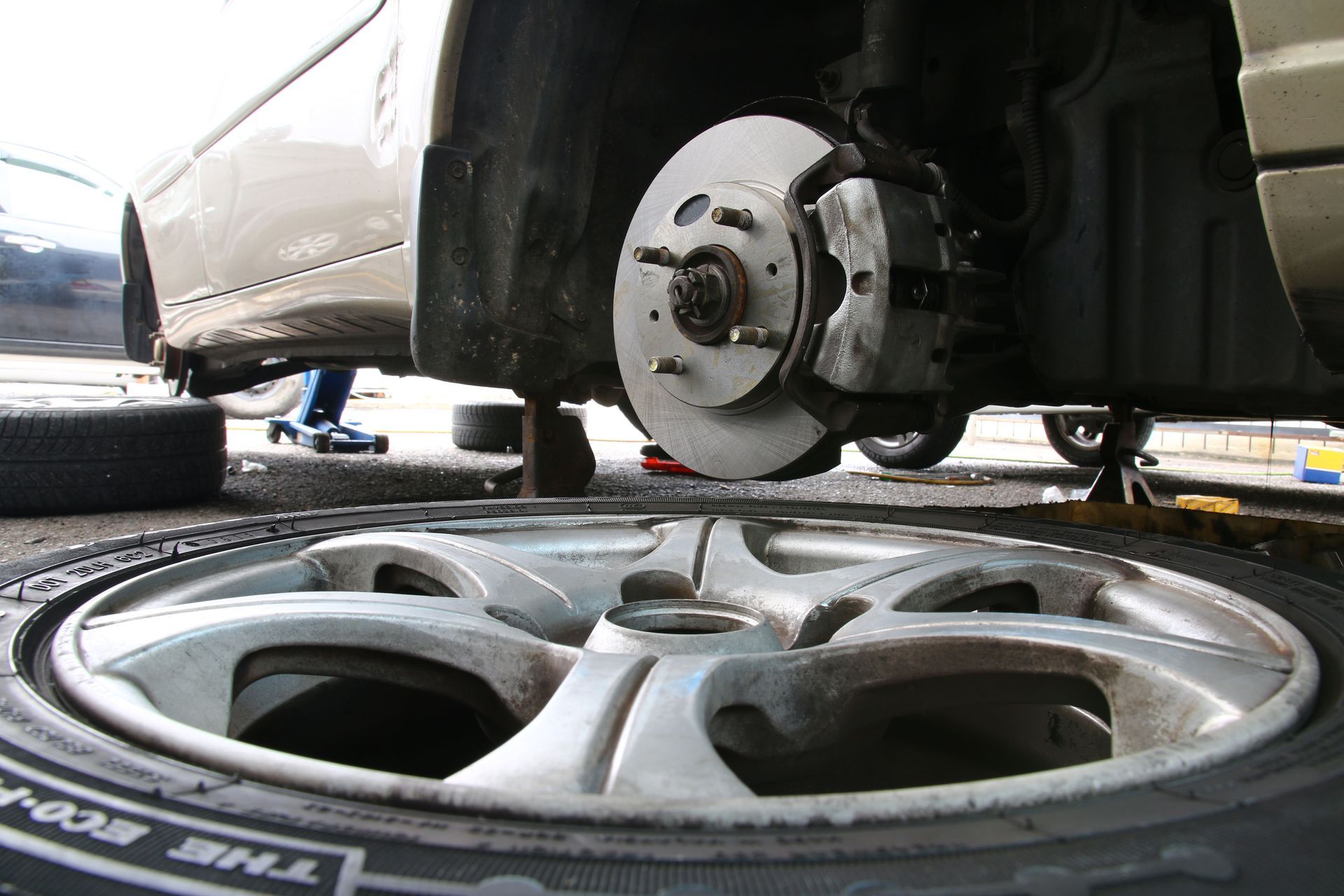
Unusual vibrations might indicate wheel imbalance or alignment issues. This sensation, often felt through the steering wheel or the seat, suggests that the vehicle's weight distribution is off. Such vibrations can worsen over time, potentially leading to more significant damage to your wheel bearings or suspension if not addressed promptly. Professional diagnostics are recommended to ensure the root cause is accurately identified and resolved.
Observing Tire Wear Patterns
Uneven or unusual tire wear can suggest underlying wheel problems. This pattern might manifest as "cupping" or one side of the tire wearing down faster than the other, commonly due to misalignment or a bent rim. Such irregular wear not only shortens tire lifespan but also compromises grip and handling. Identifying these patterns early allows for adjustments, prolonging tire life and enhancing safety. Routine inspections are essential in spotting these signs before they lead to severe consequences.
Dealing With Poor Handling and Steering
Difficulties in steering may signal issues with the wheel assembly. If steering feels sluggish, pulls to one side, or requires more effort, it could be a sign of misaligned wheels or a wheel that has been structurally compromised by a pothole. Addressing these issues ensures that the vehicle remains responsive, contributing to safer driving conditions. Regular maintenance helps maintain steering precision, reducing the risk of accidents related to poor vehicle control.
Listening for Unusual Noises
Grinding, humming, or thumping sounds often mean trouble with your wheels. These noises may indicate worn-out bearings, an out-of-round wheel, or severe imbalance. The sudden appearance of such sounds warrants immediate investigation to prevent further damage. Ignoring these auditory signals can lead to expensive mechanical failures and compromised safety. Regular check-ups can preemptively address these issues, ensuring uninterrupted and safe vehicle operation.
Spotting Visible Damage
Inspect tires and rims for cracks, bulges, or bent edges frequently. Visible damage can occur from road hazards, such as potholes or debris, and can severely impact wheel integrity. Regularly assessing for these signs helps address issues before they lead to blowouts or structural failures. By staying vigilant and proactive, drivers can maintain wheel health and extend their lifespan significantly. Consistent visual inspections are an easy and effective method for ensuring safe driving conditions in the United States.
Understanding Factors Influencing Wheel Repair Frequency
Harsh conditions like potholes and rough roads can accelerate the need for car wheel repairs. Regular exposure to poorly maintained roads puts additional stress on wheels, leading to premature wear and tear. These adverse conditions make wheel maintenance crucial for preserving vehicle performance and safety. Planning routes on better-maintained roads when possible can help mitigate these effects. Routine inspections become even more vital for drivers in regions with challenging terrains.
Accounting for Vehicle Type and Model
Different models have unique requirements and wheel repair frequency. Performance vehicles, for instance, demand more frequent checks due to the pressures from high-speed driving and low-profile tires that offer less cushion against impacts. Heavy-duty trucks might experience different wear patterns based on hauling loads. Consulting the manufacturer's guidelines provides insights into optimal care practices for your specific vehicle type.
Tracking the Distance Driven
Higher mileage typically requires more frequent checks. The more a vehicle is driven, the faster its components, including wheels and tires, wear. Establishing a maintenance routine based on mileage rather than time can better address wear patterns associated with frequent use. Developing a habit of checking wheels every few thousand miles ensures any developing issues are identified early. Implementing mileage-based maintenance ultimately enhances vehicle longevity.
Monitoring Climate and Weather Impacts
Extreme temperatures can affect wheel integrity, necessitating more frequent car wheel repairs. Hot weather may cause tire components to degrade faster, while freezing temperatures can make tires brittle, increasing the risk of cracks. Road salt used during U.S. winters can corrode alloy wheels if not washed off regularly. Being aware of these climate impacts enables preemptive planning and action.
Seeking Professional Wheel Repair Services
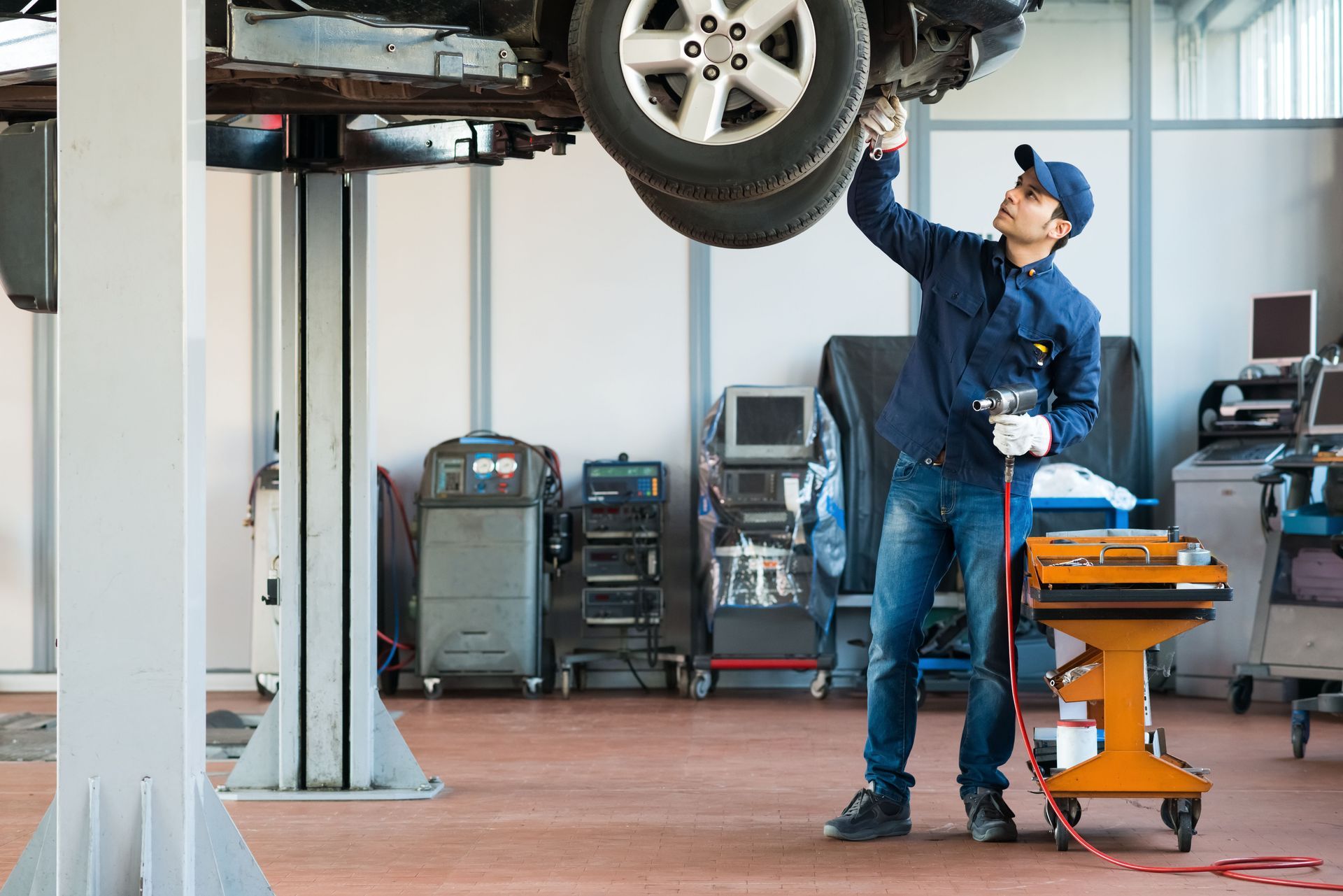
Professional centers provide various repair and maintenance services. These include:
- Wheel Straightening: Fixing bends caused by potholes.
- Curb Rash Repair: Refinishing the edges of rims scraped against curbs.
- Crack Repair: Using specialized welding to fix structural cracks.
- Powder Coating: Restoring the finish and protecting against corrosion.
Routine professional assessments provide detailed insights into vehicle health, identifying issues that might not be noticeable during a cursory visual check.
Choosing a Reliable Service Center
Finding competent professionals for car wheel repairs is essential. Evaluating a service center's reputation, online reviews, and certifications can offer insights into their reliability and quality of service. Transparency about pricing, services, and potential issues is a hallmark of a reputable facility. Establishing a relationship with a team of experts fosters consistent and dependable vehicle care.
Understanding Cost Considerations
While prices vary based on service scope and location, it is vital to compare quotes and understand standard market rates. Investing in professional services can lead to significant savings over time by preventing the need for an entirely new wheel purchase. An informed approach to cost considerations ensures that budgeting for wheel maintenance is both realistic and sustainable.
Regular wheel maintenance is crucial for ensuring your vehicle's safety, performance, and longevity. By understanding the signs of wear, the factors that influence repair frequency, and the value of professional intervention, you can maintain a comprehensive schedule tailored to your needs. Commitment to these practices benefits personal safety, economic savings, and environmental responsibility. Diligent wheel care is integral to comprehensive vehicle management, fostering enduring performance on every road you travel.
Does your car have a shimmy or visible rim damage that needs expert attention? Don't settle for less than specialized care. Contact Kwicksilver Wheel Repair of Sacramento today for a professional consultation and discover how our high-quality car wheel repairs can restore your vehicle to peak condition.